
Sleeping on your stomach may seem comfortable at first, like sneaking ice cream in the morning—instant gratification, but the price you pay the next day may be too. Neck and shoulder pain, excessive spinal pressure, and even premature wrinkles are all hidden costs of sleeping on your stomach. Years of sleep research and user feedback have shown that the Memory Foam Pillow not only provides comfort but also helps you gradually adjust your sleeping position, making side or back sleeping a new habit.
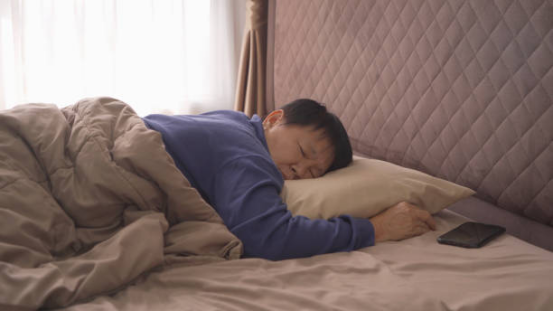
Neck pressure? Memory Foam Pillow helps you relieve it
When sleeping on your stomach, your head must turn to one side in order to breathe. Maintaining this position all night can cause your neck to twist, leaving you feeling stiff and robotic in the morning. Based on user feedback and sleep expert recommendations, choosing a Memory Foam Pillow that conforms to the curve of your neck can relieve pressure and provide more natural support for your cervical spine.
of Foam ‘s softness as a cushion, creating a protective layer between the bed and your body, preventing muscles from tensing up all night. Long-term experience shows that this support is particularly effective in transitioning from side sleeping to back sleeping.
The Importance of Spinal Alignment
The spine has a natural curve, and sleeping on your stomach flattens it, increasing back pressure. Clinical studies have shown that poor sleeping posture is a common factor in low back pain and chronic shoulder and neck problems. A properly fitted Memory Foam Pillow provides flexible support, allowing the spine to maintain its natural curve at night, reducing the risk of morning back discomfort.

Practical tips for sleeping on your side or back
Changing habits doesn’t happen overnight, but there are some ways to make the transition smoother, combined with the support of a Memory Foam Pillow.
Pillows and pillow burgers
Placing pillows on either side of your body, or creating a “small fort” with additional Pillows , can prevent you from accidentally rolling back onto your stomach. This arrangement is not only comfortable but also gives you a sense of security, surrounded by gentle warmth. User experience shows that after a few nights of consistent use, your body will naturally tend to sleep on your side or back.
Small reminder tool
Slightly raised objects (like small tennis balls) sewn into your pajamas can remind you to turn over. Tiny foam or soft materials can simulate the cushioning effect of a memory pillow, gradually helping you to wean yourself off your stomach.
Gradual transition
If the change isn’t possible all at once, don’t worry. Start by maintaining your new position for some nights, then gradually increase the amount of time. The support of the Memory Foam Pillow provides stability during this process, helping your body gradually adjust to your new sleeping position.
Small details also matter: skin and comfort
Prolonged pressure on your face can lead to wrinkles or acne. Users have shown that using the Memory Pillow allows your head to gently “float,” alleviating facial pressure and improving overall comfort.
Gains and Suggestions
Switching from stomach sleeping to side or back sleeping can not only help reduce neck and shoulder stiffness and lower back pain, but can also lead to subtle improvements in skin condition. The Memory Foam Pillow plays a key role in this adjustment process, providing support and pressure relief while gradually allowing the body to adjust to a healthier sleeping position.
Based on years of user experience and sleep research, the combination of a bolster, a pillow fort, and a suitable Memory Foam Pillow can help you wake up feeling more relaxed, comfortable, and in a better state of mind.
If you have relevant experience, you are welcome to share it in the comments or contact us. We are happy to answer questions about the use of Memory Foam Pillow and help everyone find a sleeping method that is more suitable for them.