Is your Memory Foam Pillow really safe? The secrets you might be missing about sleep

When night falls and you finally lie down and rest your head on that familiar, comfortable Memory Foam Pillow , have you ever truly considered its impact on your health? We often spend lavishly on the best mattresses, aromatherapy diffusers, and sleep-inducing teas, but we often overlook the pillow we rest our faces against each night. Today, let’s discuss the hidden health secrets hidden in this seemingly perfect memory foam pillow and how to ensure it becomes a guardian of your health, rather than a potential troublemaker.
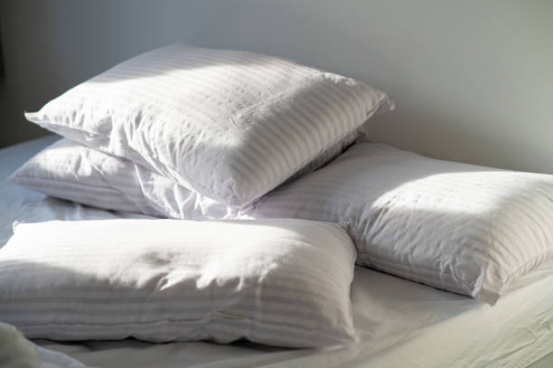
Is your Memory Foam Pillow a five-star hotel for dust mites and bacteria?
It might sound a bit scary, but the truth is, no matter how clean your pillow looks, it could be silently hosting some unwanted guests. Imagine your Memory Foam Pillow soaking up all the sweat, oil, and flakes of skin you shed every night. Over time, this becomes a haven for dust mites, mold, and all sorts of bacteria.
For those with allergies, this can be a nightmare. Dust mite feces are a common allergen, potentially causing morning sneezing, itchy eyes, and even shortness of breath. If you find yourself experiencing these symptoms, don’t just blame the pollen; your pillow might be the real culprit.
The solution is simple: First, wash your pillowcase frequently; washing it in hot water once a week is a good idea. Second, consider using a hypoallergenic pillow protector. Most importantly, don’t keep your pillow for too long. Most memory foam pillows have a lifespan of around two to three years. If your pillow has outlived its useful life, it’s time to consider replacing it.
Are those “strange” smells really normal?
Have you ever unpacked a new memory foam pillow and noticed an industrial or “new product” smell? That’s what’s called chemical off-gassing. The manufacturing process for memory foam produces volatile organic compounds (VOCs). While these odors usually dissipate after a few days of ventilation, for some people who are particularly sensitive to chemicals, long-term exposure may cause headaches, dizziness, or respiratory discomfort.
This isn’t to say that all Memory Foam pillows are flawed; many brands are using more environmentally friendly and safer materials. When purchasing, look for products with OEKO-TEX or other environmental certifications. This generally means they’re free of harmful chemicals. When you get a new pillow, remember to air it out for at least a few days until the odor dissipates completely before using it safely.

If you choose the wrong Memory Foam Pillow, your cervical spine will “protest”
A good pillow isn’t just about comfort; it’s also about support. If your memory foam pillow doesn’t properly support your neck, especially when you sleep on your side or stomach, your cervical spine may be in an incorrect position for extended periods. This can lead to muscle tension, chronic neck pain, and even migraines.
How to choose the right pillow for your bed? It really depends on your sleeping position. If you’re a side sleeper, you’ll generally need a thicker, firmer Memory Foam Pillow to fill the gap between your head and shoulders. If you’re a back sleeper, a medium-thick pillow that conforms to the curve of your neck will be more suitable. For stomach sleepers, a thinner, softer Foam Pillow may be a better choice.
We know there are so many options on the market, and it can be overwhelming. To help you find the perfect fit for you, we’ve designed the perfect memory foam pillow for you . No matter your sleeping position, you’ll find the perfect match.
Finally, do you really know when to say goodbye?
Many times, we become attached to our pillows and think they are still usable. However, if your Memory Foam Pillow shows any of the following signs, it is really time to consider replacing it:
Loss of elasticity : When you press on it, it doesn’t bounce back to its original shape quickly enough.
Discoloration or an odor : This could mean mold or bacteria has begun to grow.
Lumpy or Sagging : The foam inside the pillow has lost its uniform support.
Waking up with a sore neck in the morning : This is often a sign that your pillow is no longer providing enough support.
Generally speaking, a high-quality memory foam pillow can accompany you for 2-3 years. Regular inspection and replacement are not only for comfort, but also for your health.
Don’t let your pillow become a health hazard. A clean, properly fitted Memory Foam Pillow is the key to a high-quality sleep.