The “antibacterial” function of memory foam pillows: silver ions vs. natural plant extracts

Have you ever had this experience: your pillow suddenly feels damp in the middle of the night? Or perhaps you woke up to a strange smell? It’s not just your imagination; memory foam pillows tend to accumulate sweat, sebum, and dust over time. These “invisible guests” quickly become a breeding ground for bacteria and mold. Consequently, pillows with “antimicrobial” properties have emerged, with the most common solutions using silver ions and natural plant extracts.
So, which of these two solutions is more reliable? Which one is more suitable for your daily sleep routine? Today, we’ll break down this topic, providing a comprehensive analysis from the principles and experience to industry trends.
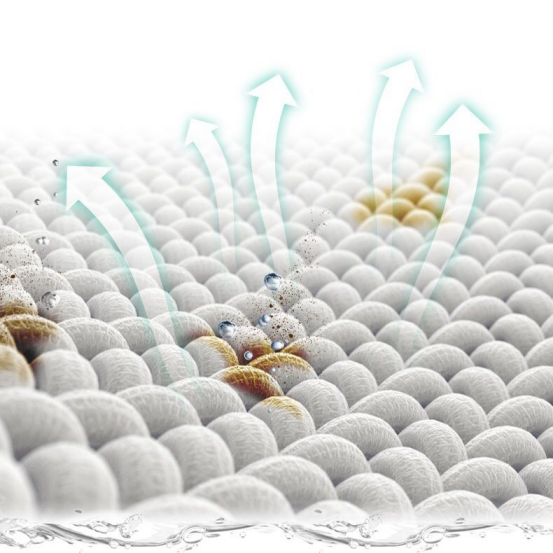
Why does a memory foam pillow need an antibacterial function?
Most people buy memory foam pillows for their ability to contour to the curve of their head and neck, relieving pressure. However, many overlook the fact that these pillows have limited breathability. High humidity or frequent night sweats can easily create a breeding ground for bacteria.
According to a study published in the Journal of Applied Microbiology, the number of bacteria inside an average pillow can reach millions after six months of use. While this may sound a bit scary, it’s why more and more manufacturers are adding antibacterial treatments to the surface or core of memory foam pillows.
Antibacterial is not just a nice-to-have but the key to ensuring the long-term comfort and health of the pillow.
Silver ions: a technologically advanced “micro-guard”
When it comes to antibacterial products, silver ions (Ag+) are almost standard across all major manufacturers. The principle behind this is simple: silver ions can destroy bacterial cell membranes, rendering them inactive and ultimately “disappearing.”
Advantage 1: Highly efficient and long-lasting
Silver ions do not “shoot and move”; their antibacterial effect is relatively stable. Many tests show that even if the pillow is used for more than one year, it can still maintain good antibacterial ability.
Advantage 2: Invisible and Non-Sensitive
The memory foam pillow treated with silver ions does not change the softness of the material and does not have any additional odor. For users, it is an “invisible guardian.”
Disadvantages: Cost and Sensitive People:
Silver ion treatment increases production costs, which means this type of pillow is generally more expensive than regular pillows. A small number of people who are sensitive to metal ions may be concerned about the risk of allergies. While the probability is extremely low, it is often exaggerated in marketing.
A real-world example: A European brand advertised that its silver ion pillow reduced bacteria counts by 99% after 90 days of continuous use compared to untreated pillows. While this data is appealing, it also raises questions about whether consumers truly need this kind of “medical-grade” protection.
Natural plant extracts: a softer green approach
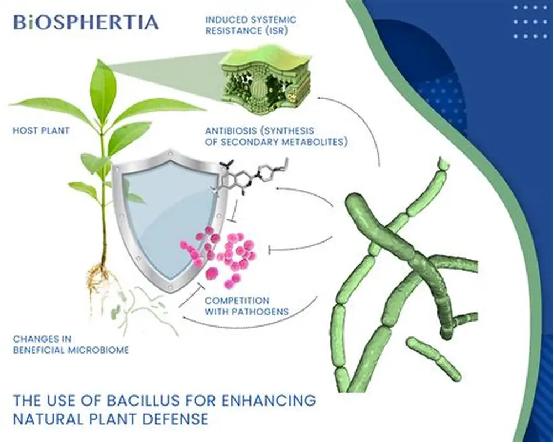
Another route is natural plant extracts, such as tea tree oil, bamboo charcoal, lavender, etc. Manufacturers often incorporate them into the outer fabric of memory foam pillows or add them to the surface through spraying, dipping, and other processes.
Advantage 1: Natural and environmentally friendly
For those who pursue a green lifestyle, the “natural” label of plant extracts is a major selling point. They not only inhibit some bacteria but also bring a light fragrance.
Advantage 2: Multiple Experiences:
Lavender may help you relax and fall asleep, bamboo charcoal absorbs odors, and tea tree oil has antibacterial properties. Compared to silver ions, plant extracts add a “complex function” to the pillow.
Disadvantages: Effectiveness and durability:
Natural ingredients are usually effective in the short term, but their antibacterial ability gradually weakens with washing or long-term use. In other words, if you want your pillow to maintain high antibacterial effectiveness for two or three years, this method may be slightly insufficient.
A user shared their experience on a forum: “I bought a pillow containing tea tree oil. Initially, the scent was refreshing, and my sleep quality improved significantly. However, after a few months, the scent gradually dissipated, and I didn’t feel any particular antibacterial effect.”
Which one is better suited to your sleep needs?
In fact, silver ions and natural plant extracts are not an “either-or” relationship but correspond to the needs of different groups of people.
- If you have high requirements for the service life of the pillow, do not like frequent replacement, and want the antibacterial effect to be “worry-free and stable,” the silver ion solution may be more suitable.
- If you pay more attention to naturalness and environmental protection, or even hope that the pillow can bring “fragrance blessing” in terms of function, plant extracts may make you more satisfied.
- For people who are prone to allergies, you can consider choosing products that have been professionally tested and certified to avoid blindly following trends.
Interestingly, many high-end memory foam pillows now combine both, such as adding silver ions to the inner core and adding plant extracts to the outer fabric. This ensures long-term antibacterial properties while satisfying the user’s olfactory experience.
Industry trends and future directions
As consumers increasingly focus on health and sleep quality, market demand for antibacterial pillows is growing. According to a report by Grand View Research, the global antibacterial bedding market is expected to maintain an average annual growth rate of 6% over the next few years.
It is worth noting that manufacturers no longer emphasize only “antibacterial” but tend to create a “multi-dimensional health experience.” For example:
- Antibacterial and anti-mite dual functions;
- Antibacterial + Temperature Regulation;
- Antibacterial and aromatic sleep aid.
This means that the memory foam pillow of the future may not just be a single head and neck support tool but a “small sleep management system.”
Conclusion
Silver ions and natural plant extracts may seem like two completely different antibacterial pathways, but they share only one core goal: to make your memory foam pillow cleaner, longer-lasting, and more in line with your health needs.
So the question is, on your pillow, would you rather have “invisible but lasting protection” or a “natural, refreshing, and tangible experience”?
Perhaps the answer is not a single choice, but more brands will allow the two to “combine forces” in the future.
Finally, let’s go back to the simplest question:Is the “smell” on your pillow now quietly reminding you that it’s time to switch to a healthier option?