Memory foam pillows’ “anti-radiation” claims: Really effective or just pseudoscience?

The principle of the anti-radiation memory pillow: Can it really shield radiation?
The so-called anti-radiation memory foam pillows on the market usually claim to protect users in the following ways:
- Metal fiber or conductive cloth: Embedding a metal fiber mesh in the pillow core or pillowcase can theoretically absorb or reflect some electromagnetic waves.
- Conductive coating: A coating similar to metallic paint covers the pillow surface, creating a shielding layer.
- Multi-layer structure design: combination of foam, conductive material, and outer jacket to enhance shielding effect.
From a physics perspective, electromagnetic wave shielding does exist, operating in a similar way to the metal mesh in a microwave oven. However, to effectively block low-intensity radiation from mobile phones, Wi-Fi, Bluetooth, and other sources, the pillow itself would need to be covered with a very high density of metal or be thicker than conventional designs. This presents a problem: comfort could be significantly compromised, the pillow would become harder and less breathable, and the inherent slow rebound and conformable support characteristics of a memory foam pillow might be compromised.
Scientific Perspective: Does Radiation Really Harm Sleep?
Regarding the impact of electromagnetic radiation on sleep, scientific research has reached inconsistent conclusions:
- The World Health Organization (WHO) points out that there is currently no conclusive evidence that low-intensity electromagnetic radiation (such as mobile phones and Wi-Fi) can cause long-term damage to human health.
- Some small studies have found that close-up phone use may slightly affect sleep onset, but most of the effects are psychological perceptions or accidental phenomena.
- There are no large-scale, reproducible studies on the effects on sleep cycles.
In other words, even if you lie on an anti-radiation memory foam pillow, the actual protective effect it provides may be limited; more often, its effectiveness may be psychological comfort or a placebo effect.
User Experience: Psychological Suggestion vs. Real Effect
Researching user reviews online, I found:
- Some users have experienced improved sleep: after using the anti-radiation memory foam pillow, they feel more at ease falling asleep, toss and turn less frequently, and their head and neck remain comfortable.
- Some users think there is no difference: the pillow is slightly heavier or not as breathable as an ordinary memory foam pillow, and the sleeping experience is not significantly improved.
- Suitable for psychologically sensitive people: For users who are sensitive or anxious about electromagnetic radiation, the pillow’s “shielding publicity” provides psychological comfort and helps alleviate anxiety about falling asleep.
I tried it myself for one night and found the pillow a bit firm, but I felt psychologically secure after lying down and fell asleep a few minutes faster. It’s fair to say that its actual physical protection isn’t great, but the psychological comfort may be real.
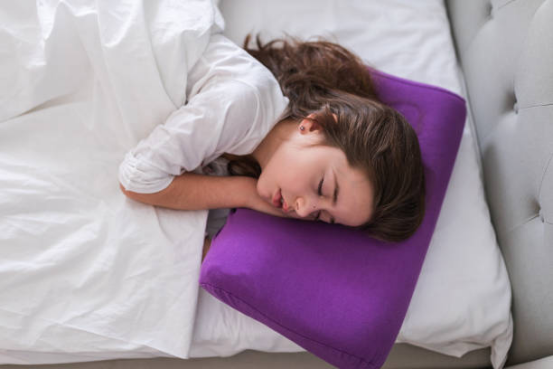
Buying advice: How to rationally choose an anti-radiation memory foam pillow
If you are interested in the radiation protection memory foam pillow, the following points are worth noting:
- Pay attention to the support of memory foam: the core value of the pillow is still head and neck support, and the shielding material should not sacrifice comfort.
- Check materials and certifications: Choose products with clear electromagnetic shielding testing or safety certifications, and avoid purely marketing packaging.
- Combined with the sleeping environment—a reasonable schedule, a comfortable mattress, and light and noise control—they are the key to improving sleep.
- Psychological suggestion: If you are sensitive to radiation or anxious, the sense of security brought by the pillow may help you fall asleep more easily.
Overall, the anti-radiation memory foam pillow is more like a psychological aid rather than a health shielding device in the strict sense.
A rational view of anti-radiation memory pillow
The radiation-proof memory foam pillow represents the bedding industry’s attempt to combine functionality with technological sophistication. It offers:
- Memory foam’s original head and neck support and comfort
- Mild psychological comfort or anxiety relief
However, scientific evidence suggests that its actual shielding effect against low-intensity radiation is limited and should not be considered a primary means of sleep therapy or health protection. It is suitable for those seeking psychological comfort or trying new technologies, but it is not the sole solution for those with sleep disorders. In normal circumstances, a non-radiation-protective memory foam pillow is sufficient.