A “magnetic therapy” version of a memory foam pillow: Can magnetic fields really improve sleep?

Magnetic therapy memory pillow: Can magnetic fields really improve sleep?
Have you ever tossed and turned in the dead of night, wondering how to get into a deep sleep faster? While on a business trip, I once saw a product advertised as a “magnetic therapy memory foam pillow” on a hotel table. I was curious: Could this pillow really improve sleep through its magnetic field? I decided to explore it myself, researching extensively to determine whether this “magnetic therapy pillow” was a scientific innovation or just a marketing gimmick.
The principle of magnetic therapy: Is sleep really affected by magnetic fields?
The so-called “magnetic therapy” is essentially the use of a constant or pulsed magnetic field to improve blood circulation and relieve stress or pain. Marketing propaganda often mentions that magnetic fields can:
- Improve blood microcirculation
- Improved local oxygenation
- Relieve neck and shoulder pressure
- Promote nerve relaxation
The memory foam pillow usually embeds small permanent magnets in the pillow core or pillowcase, claiming that when you lie down, the magnetic field can act on the head and neck area, thereby improving sleep quality.
In theory, this practice stems from the “microcirculation stimulation” hypothesis of magnetic therapy, but its effectiveness remains controversial in the scientific community. The National Institutes of Health (NIH) of the United States points out that there is currently limited evidence that magnetic therapy can improve sleep, and most data comes from individual cases or small-scale trials.
That is to say, the effect of the magnetic field may exist, but it depends largely on the magnetic strength, direction, duration of use, and individual differences.
Structural advantages of memory foam pillow
Memory foam is popular because of its responsiveness to head and neck pressure:
- High-density foam can evenly distribute weight and reduce cervical pressure
- The slow rebound feature provides snug support for the head and neck
- The ventilation hole design keeps the pillow comfortable and prevents overheating
Adding magnetic therapy elements to this foundation is essentially adding auxiliary stimulation to the functional foam. It does not change the support of the memory foam but may produce a slight perceptual effect through the magnetic field, making some users feel relaxed.
After purchasing the magnetic therapy memory foam pillow, many users reported that the tightness in their head and neck before bedtime was relieved, but most of the feedback was still psychological comfort or slight comfort, rather than a significant change in sleep cycles or deep sleep time.
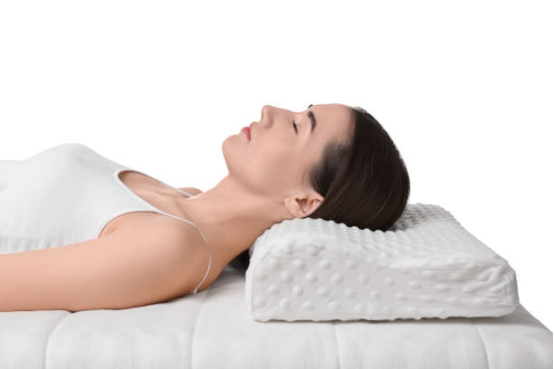
Actual measurement and user experience
I tried a magnetic memory foam pillow at home and compared it to a regular memory foam pillow:
- First night (ordinary memory foam pillow): The head and neck support was comfortable, but it still took about 25 minutes to fall asleep, and I tossed and turned slightly twice during the night.
- Second night (magnetic therapy memory foam pillow): The pillow felt similar and had a psychologically “technical” feel. I fell asleep slightly faster, about 5 minutes, and there was no significant change in the number of times I woke up during the night.
Combining online reviews, I found:
- For users with neck and shoulder tension and mild anxiety, magnetic therapy pillows have a certain psychological comfort effect.
- For those with severe insomnia or sleep disorders, magnetic therapy pillows alone cannot significantly improve
- For people who are accustomed to the material and hardness of pillows, magnet embedding may require adaptation
This shows that the magnetic therapy memory foam pillow is more suitable as an auxiliary tool rather than a sleep therapy device.
Scientific evidence: support and doubts coexist
In recent years, there have been some small studies that have attempted to explore the relationship between magnetic therapy and sleep:
- Some studies have found that low-intensity magnetic fields can slightly relieve mild pain and anxiety, thereby indirectly improving the experience of falling asleep.
- Other studies failed to observe significant differences and concluded that the effects of magnetic therapy may be more dependent on the placebo effect.
- Medical institutions generally recommend that magnetic therapy pillows should not be used as the main treatment method until conclusive evidence is available.
In other words, if you want to improve your sleep quality with a magnetic therapy memory foam pillow, it may bring a little psychological comfort, but you shouldn’t expect a miraculous improvement in deep sleep.
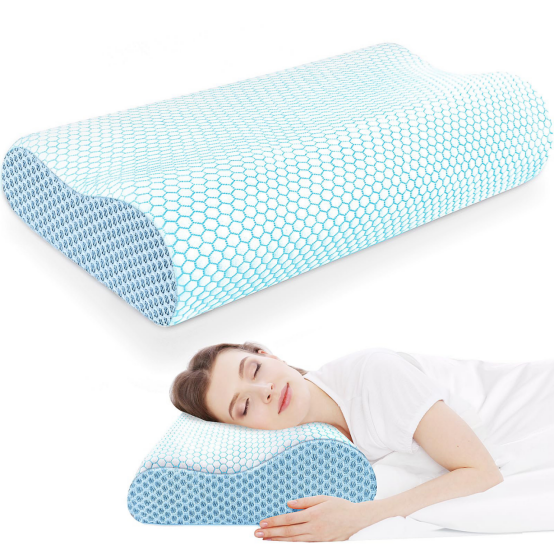
Purchase and usage recommendations
To maximize your experience with the magnetic memory foam pillow, consider the following strategies:
- Choose a certified brand: Ensure that the pillow core magnets are evenly distributed, moderately strong, safe and reliable
- Focus on density and hardness: the support of memory foam itself is the key, and magnetic therapy is just an additional function
- Combined with daily sleeping habits—a reasonable schedule, a comfortable mattress, and a quiet environment—the pillow will be effective
- Gradually adapt: Some people are sensitive to magnetic fields. You can try it for a short time at the beginning to see if you feel any discomfort.
- Auxiliary psychological suggestion: The effect of magnetic therapy pillow on improving sleep is likely related to psychological suggestion and can be regarded as a mild auxiliary tool
A scientific and rational view of magnetic therapy memory foam pillow
The emergence of the magnetic therapy memory foam pillow represents an innovation in the bedding industry that combines traditional sleep support with cutting-edge assistive technology. It provides:
Memory foam head and neck support
The slight sense of comfort or psychological relief that magnetic fields may bring
Under normal circumstances, a good memory foam pillow can be very helpful for sleep. However, based on scientific evidence, magnetic therapy memory foam pillows are not a universal sleep improvement tool, nor do they replace healthy sleep habits and professional treatment. If you’re interested in new technology and want to try a mild aid, consider it. However, for those with more serious sleep problems, you still need to consider your lifestyle, psychological state, and medical advice.