Memory Foam Pillow “Children’s Edition”: Safety and Developmental Support

Children’s Memory Foam Pillows: A Complete Analysis of Safety and Developmental Support
Every night, as I watch my child peacefully sleep in their bed, I can’t help but wonder: Is my little one sleeping comfortably? Is their cervical spine receiving adequate support? Are they developing the correct sleeping position as they grow? In recent years, more and more parents have begun to pay attention to children’s memory foam pillows, seeking not only comfort but also the added support they provide during their child’s developmental years. However, the marketing claims for children’s memory foam pillows vary widely. What are their safety and developmental benefits? This article will analyze the core value of children’s memory foam pillows, combining real-world cases, industry data, and user experiences.
Why do children also need a dedicated memory foam pillow?
Most people think that ordinary pillows are enough for children. But this is not true:
- Children’s cervical spine is not fully developed: Children’s cervical spines are soft and have an uncertain shape. If the pillow is too high or too hard, it can easily lead to poor sleeping posture.
- Sleep quality is closely related to growth: high-quality sleep helps the secretion of growth hormone, which directly affects height and neural development.
- Comfort determines the speed of falling asleep: the soft and fitting memory foam pillow can help children fall asleep faster, reduce the number of tossing and turning, and increase the proportion of deep sleep.
According to a children’s health study, children aged 5-12 years old who used pillows of moderate height and good support had significantly better sleep quality than those who used ordinary cotton pillows or low-rebound pillows.
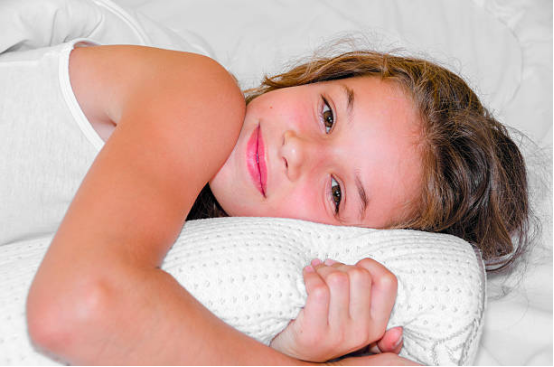
Safety design points for children’s memory foam pillow
When choosing a children’s memory pillow, safety is the primary consideration:
- Material safety: the high-quality memory foam pillow uses foam with non-toxic and low-volatile chemical components to avoid harmful gases.
- Breathable design: Children’s pillows usually adopt a porous structure or ventilation channels to reduce stuffiness and sweat and reduce the risk of skin allergies.
- Appropriate height and hardness: Children’s pillows are usually about 2-3 cm lower than adult ones, with moderate hardness, which ensures cervical support without excessive pressure on the shoulders.
- Removable and washable pillowcase: easy to keep clean and prevent bacteria from growing.
Real user feedback shows that children who choose a children’s memory foam pillow that meets these safety standards are more likely to maintain their sleeping habits and wake up in better spirits in the morning.
Developmental Support: How Memory Foam Pillows Help Cervical Spine and Sleeping Posture
Children’s memory foam pillows are not only a comfort tool but also have certain developmental support functions:
- Cushioning cervical spine pressure: When children sleep, the pillow can evenly distribute the weight of the head and neck, preventing spinal displacement caused by long-term lowering or tilting of the head.
- Guide natural sleeping position: The slow rebound characteristics of memory foam allow the head to sink gently into the pillow core, maintaining the natural curvature of the spine.
- Adapt to different sleeping positions: Whether your child is used to sleeping on his back or on his side, the children’s memory foam pillow can appropriately fit the curve of the shoulder and neck, reducing muscle stiffness and the number of tossing and turning.
In some children’s sleep studies in Europe and the United States, children who used children’s memory foam pillows reduced the number of times they turned over at night by about 15-20%, and their self-reported neck and shoulder discomfort when waking up in the morning was significantly reduced.
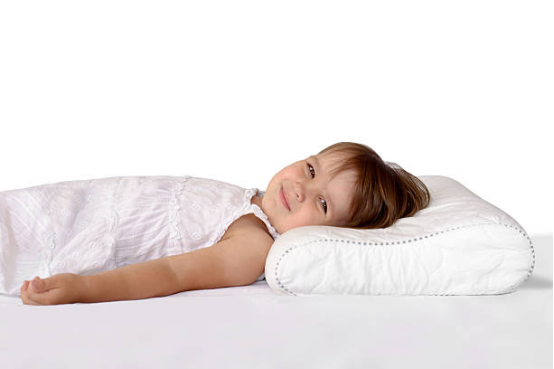
Buying Guide: How to Choose a Memory Foam Pillow for Your Child
When choosing a children’s memory foam pillow, you can refer to the following principles:
- Choose pillow height according to age and body shape: children aged 3-6 generally need a pillow height of 5-7 cm, while children aged 7-12 can choose 7-9 cm.
- Test softness: It should rebound slowly when pressed lightly and should not be too hard or completely collapsed.
- Pay attention to certification and brand reputation: choose memory foam pillows with safety certification (such as CertiPUR-US) and avoid buying unbranded products with exaggerated publicity.
- Consider your child’s preferences: color, pillowcase material, and touch will also affect your child’s acceptance and usage habits.
In addition, parents should regularly observe their children’s sleeping posture and neck and shoulder condition and adjust the pillow height or replace the pillow core if necessary.
User Experience Sharing: Real Case Analysis
After using the children’s memory foam pillow for a week, Xiao Ming (9 years old) received the following feedback from his parents:
“He tossed and turned less at night, and his shoulders and neck were noticeably more relaxed when he woke up in the morning. He used to complain about his pillow being too hard, but now he takes the initiative to adjust it himself and sleeps more soundly.”
Another parent commented that after choosing a children’s memory foam pillow made of hypoallergenic material, their child’s skin irritation was significantly reduced, and their nighttime crying episodes decreased.
This demonstrates that the value of a children’s memory foam pillow lies not only in comfort but also in supporting long-term sleep habits and development.
The core value of children’s memory pillow
In summary, the core advantages of the children’s version of the memory foam pillow are
- Safety first: the material, breathability, and softness and hardness design are all tailored for children.
- Development support: Properly supports the cervical spine and guides natural sleeping posture, which helps growth and development and improves sleep quality.
- Psychological comfort: Children’s favorite colors and touch can also increase their motivation to fall asleep.
Of course, a memory foam pillow is not a panacea. Sleeping environment, work and rest habits, and mattress quality are also crucial.