Memory Foam Pillow and Its Potential Role in Reducing Nighttime Heart Rate Variability Fluctuations

The quality of our sleep influences our overall well-being, and many factors contribute to a restful, rejuvenating night. Among them, heart rate variability (HRV) is a key indicator of sleep quality and autonomic nervous system balance. Research into the connection between sleep posture, HRV, and the role of supportive pillows is becoming more vital, particularly when considering how stabilizing head and neck positioning can reduce autonomic nervous system stress. One such tool that has been gaining attention for its potential benefits is the memory foam pillow. This article explores how stabilizing the head and neck during sleep can lead to reduced vagus nerve strain, contributing to smoother rhythms, deeper sleep, and improved overall health.

Understanding Heart Rate Variability (HRV) and Sleep
Before delving into the impact of a memory foam pillow on HRV, it’s essential to understand the concept of heart rate variability and its significance in sleep. HRV refers to the variation in time between each heartbeat, influenced by the autonomic nervous system (ANS), which controls involuntary body functions, including heart rate, digestion, and respiratory rate. A higher HRV typically indicates a more adaptable autonomic nervous system, able to smoothly switch between the sympathetic (fight or flight) and parasympathetic (rest and digest) states.
In a healthy sleep cycle, the parasympathetic system dominates, particularly during deep sleep stages, allowing the body to recover. However, disruptions to the nervous system’s natural rhythms—whether due to poor posture, stress, or discomfort—can cause fluctuations in HRV, affecting sleep depth and quality.
The Role of Sleep Posture in HRV
Sleep posture significantly impacts HRV, as it determines how the body aligns with gravity during rest. Misalignment, especially of the head, neck, and spine, can place undue pressure on nerves, including the vagus nerve, which plays a crucial role in regulating parasympathetic functions. The vagus nerve helps lower heart rate and blood pressure, promoting relaxation and a deeper sleep state.
When the head and neck are not properly supported, the vagus nerve can be stretched or compressed, which may interfere with its ability to signal the heart and other organs, resulting in irregular heart rate patterns. This can cause sleep fragmentation, reduced deep sleep, and increased nighttime HRV fluctuations, preventing the body from entering the restorative stages of sleep.
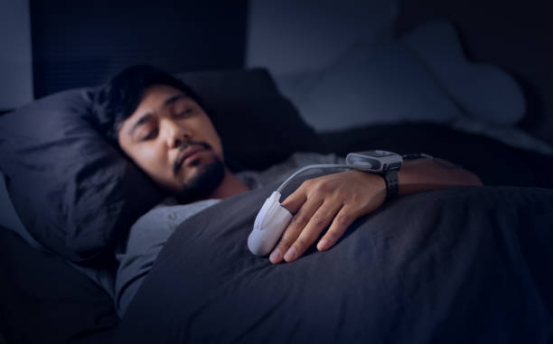
How a Memory Foam Pillow Can Help Stabilize Sleep Posture
A memory foam pillow is designed to contour to the shape of the head and neck, offering customized support that traditional pillows often fail to provide. This unique material adapts to the body’s natural curves, cradling the neck and aligning the spine more effectively. Here’s how this stabilization can reduce vagus nerve strain and improve HRV:
1. Enhanced Neck Support and Alignment
When you sleep, especially in positions such as side or back sleeping, the neck and head need to be aligned with the spine. A memory foam pillow can help maintain this alignment, reducing the risk of the head tilting at unnatural angles. By ensuring that the neck is adequately supported, the pillow minimizes the chance of stretching or compressing the vagus nerve. This, in turn, helps the parasympathetic nervous system function more efficiently, leading to smoother heart rate rhythms.
2. Reduced Pressure on Nerves
Traditional pillows, which may be too firm or too soft, often fail to distribute the weight of the head evenly. This can cause pressure on various parts of the neck and shoulders, exacerbating tension and discomfort. Memory foam pillows, however, distribute pressure uniformly across the surface, reducing localized stress on the neck and upper back. This reduction in pressure can help maintain proper nerve function, including that of the vagus nerve, supporting healthier HRV during sleep.
3. Maintaining Stable Sleep Position
memory foam pillowsA key benefit of Memory Foam Pillows is their ability to maintain their shape throughout the night. Unlike conventional pillows that shift or lose shape, memory foam stays in place, helping you keep a consistent sleep posture. This consistent alignment reduces the chances of waking up with a misaligned neck or shoulders, leading to better overall sleep quality and fewer disruptions to HRV.
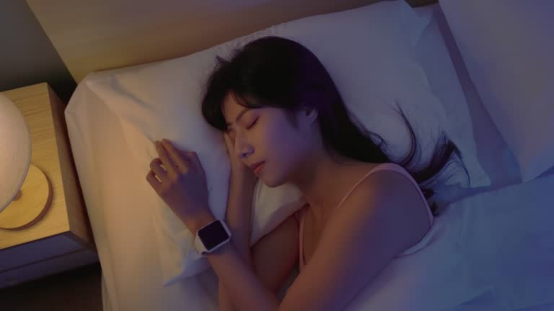
The Science of Memory Foam Pillow and Parasympathetic Support
memory foam pillowA Memory Foam Pillow provides more than just physical comfort; it also contributes to the parasympathetic nervous system’s support, which is crucial for reducing nighttime HRV fluctuations. Research on sleep HRV improvement suggests that a stable sleep environment, including appropriate pillow support, encourages the body’s transition into deeper sleep stages, where parasympathetic dominance can be more pronounced.
memory foam pillowBy supporting the head and neck correctly, a Memory Foam Pillow helps promote an environment that favors parasympathetic dominance, which naturally reduces heart rate fluctuations and contributes to better sleep continuity. This has been linked to improved overall health, as more consistent HRV patterns correlate with lower stress levels, enhanced recovery, and improved cardiovascular health.
Real-Life Benefits: Improving Deep Sleep with Stable Posture
The most noticeable benefit of using a memory foam pillow is improved sleep depth. Stable sleep posture reduces the chances of waking up due to discomfort, allowing the body to enter and remain in deeper stages of sleep for longer periods. This not only improves overall well-being but can also have lasting health effects.
1. Lower Stress and Better Recovery
Deep sleep, especially the slow-wave phase, is essential for physical recovery. Studies have shown that better sleep quality, enhanced by stable posture and reduced vagus nerve interference, leads to improved muscle repair, immune function, and overall vitality. The more restful your sleep, the better your body can recover from the stresses of the day.
2. Emotional and Mental Health Benefits
Another significant benefit of stable sleep posture is its effect on mental health. As sleep improves, so does HRV, which is linked to emotional regulation and resilience. A stable and comfortable sleep environment, supported by tools like the Memory Foam Pillow, can help reduce stress, anxiety, and negative emotional states, creating a more balanced emotional response throughout the day.
The Power of Stable Sleep Posture
In conclusion, the connection between sleep posture, heart rate variability, and overall health is becoming increasingly clear. A memory foam pillow plays a crucial role in stabilizing the head and neck, reducing the risk of vagus nerve strain, and promoting deeper, more restorative sleep. By improving sleep quality and encouraging parasympathetic nervous system dominance, a memory foam pillow can help minimize HRV fluctuations, leading to a smoother sleep rhythm and a better overall health experience.
If you’re looking to enhance your sleep quality, consider exploring options for memory foam pillows that offer tailored support and stability, and enjoy the benefits of deeper, more restful sleep.