Memory Foam Pillow: Structural advantages that reduce ear pressure discomfort at night

For side sleepers, ear discomfort at night is a common problem. When we lie on our side, the ears often experience continuous pressure from the pillow, leading to ear pain or numbness, which affects sleep quality. Fortunately, the Memory Foam Pillow, with its unique structural design, can effectively reduce ear pressure and help side sleepers achieve a more comfortable sleep experience.
Ear pressure problems in side sleepers
Ear pressure is a common problem for side sleepers. When the head rests on a traditional pillow, the ears are often subjected to prolonged pressure, leading to discomfort, soreness, or temporary numbness. The root of this problem is that many traditional pillows fail to provide proper support according to the shape of the head and ears, resulting in uneven pressure distribution.
memory foam pillow. So, how does the memory foam pillow solve this problem?
How memory foam relieves ear pressure
TheThethe Memory Foam Pillow lies in its unique memory foam material, which automatically adjusts its shape according to changes in heat and pressure, providing personalized support for each user. Unlike traditional pillows, memory foam gradually softens and conforms to the shape and weight of your head as you lie down. This adaptability allows the pillow to evenly distribute the weight of your head, reducing pressure on your ears.
Memory foam pillows, through a “molding” process, provide better support for the ears and reduce direct pressure points. When sleeping on your side, memory foam pillows effectively prevent ear pressure and improve sleep comfort.

Relieves ear pressure and improves comfort when sleeping on your side.
Besides ear pressure issues, traditional pillows often cause discomfort due to insufficient support for the spine and neck of side sleepers. Memory foam pillows are designed not only to help relieve ear pressure but also to provide excellent neck support. By adapting to the shape of the neck and shoulders, memory foam pillows effectively maintain the natural curvature of the spine, reducing pressure on the neck and shoulders, thereby alleviating discomfort throughout the body.
use the Memory Foam Pillow often find that when they wake up in the morning, not only are their ears no longer sore, but the pressure on their neck and shoulders is also greatly reduced, resulting in a significant improvement in overall sleep quality.
Why memory foam is an ideal choice for side sleepers.
Memory foam’s pressure-relieving properties are one of the reasons it’s an ideal pillow material. Traditional pillow materials, such as down and polyester, often provide uniform firmness and cannot precisely adjust to the shape of the head and ears. These materials cannot effectively distribute pressure on the ears and neck, leading to discomfort in the ears and neck when sleeping on one’s side.
foam memory foamMemory Foam can quickly change shape according to body heat and weight, forming precise support surfaces around the head, neck, and ears. Even throughout the night, the memory foam pillow continuously adjusts to maintain comfortable support for the ears and spine, ensuring you remain relaxed.
The extra comfort provided by memory foam pillows
of memory foam pillows is that their design often takes into account the needs of side sleepers. Many memory foam pillows have a higher height or special contours to provide better support and relieve pressure on the ears and neck. Some pillows are even specially designed with ear recesses or gaps to reduce pressure between the ears and the pillow, ensuring that the ears are not directly compressed during sleep.
This design not only relieves ear pressure but also improves overall sleep comfort. For side sleepers experiencing ear discomfort or neck pain, memory foam pillows are an ideal solution.
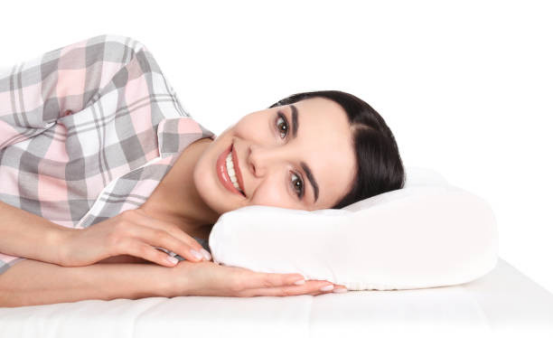
User feedback: How do memory foam pillows relieve ear discomfort?
Many side sleepers who use the Memory Foam Pillow report that they no longer experience ear pain upon waking in the morning. A survey conducted by a sleep research institution showed that 85% of side sleepers experienced significant reductions in ear discomfort after switching to a memory foam pillow. Users also reported that the pillow’s adaptability made them feel very comfortable during sleep, reducing the number of times they toss and turn in their sleep and improving overall sleep quality.
Some users specifically pointed out that the adaptability of memory foam pillows provides extra comfort, as they adjust their shape to fit the shape of the ears, avoiding any feeling of pressure. At the same time, the pillow’s support also reduces neck tension, helping them achieve a deeper rest.
Choose a memory foam pillow of the appropriate height.
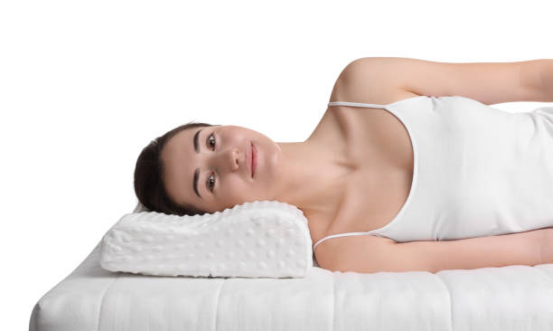
To maximize the ear pressure relief effect of the memory foam pillow, choosing the right pillow height is crucial. Side sleepers need a pillow that fills the gap between their head and the bed while maintaining proper spinal alignment. If the pillow is too thin, the head may sink too low, causing ear pressure and neck discomfort; if the pillow is too thick, it may cause the head to tilt forward, leading to pressure on the neck and shoulders.
A suitable memory foam pillow can provide good head support while reducing pressure on the ears. Most memory foam pillows come in different heights and firmnesses to accommodate different sleep preferences, ensuring that side sleepers can find the perfect pillow for themselves.
Other pillow features that help relieve ear pressure
memory foam pillow, When choosing a memory foam pillow, you can also consider some additional features that can further enhance comfort. For example:
- Cooling gel layer: Some memory foam pillows use a cooling gel layer to help regulate the pillow’s temperature and avoid discomfort caused by heat buildup.
- Breathable pillowcases: Breathable pillowcases can reduce moisture buildup, keep the pillow cool, and increase nighttime sleep comfort.
- Ergonomic design: Many memory foam pillows feature an ergonomic contour design that provides extra neck support and further relieves ear pressure.
Choose a suitable pillow to relieve ear pressure.
For side sleepers who struggle with ear discomfort, this type of contouring pillow can be a smart solution. Its adaptive structure adjusts to the shape of your head and ears, helping to ease localized pressure and create a more comfortable sleeping posture. Beyond easing pressure on the ear, it also offers steady neck support, reducing the chances of waking up due to stiffness or tension.
If you often experience soreness on the side of your face or ear during sleep, consider switching to a supportive foam option. Its pressure-relief capabilities and body-responsive design deliver lasting comfort, helping you wake up refreshed rather than dealing with lingering pain.
For more information on how to choose the right pillow for your individual sleeping habits, please refer to our expert advice on the memory foam pillow.