Will long-term use of the Memory Foam Pillow cause my neck to become dependent on it?

Many people’s initial reaction after switching to a Memory Foam Pillow is “finally finding the right pillow.” The soft foam material and support that conform to the curves of the head and neck seem to alleviate morning stiffness better than traditional pillows.
However, a common concern arises: Will sleeping on it become dependent after prolonged use? Will the “support” of the pillow cause neck laziness?
This article will break down the principles behind pillows, common misconceptions, and their long-term effects. The answer may be easier than you think.
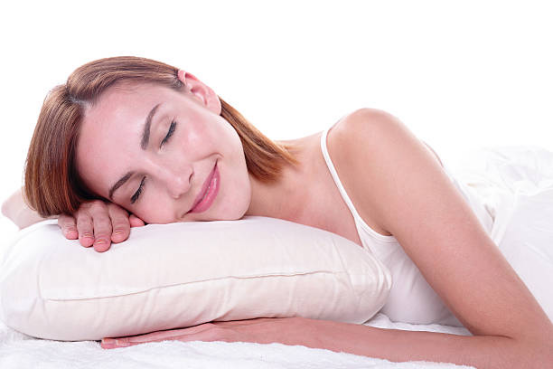
What does the Memory Foam Pillow really do?
To talk about “dependency”, we must first know what it actually does.
Material logic: Memory foam is a slow-rebound material that can be molded to the shape of pressure and temperature. In other words, it will adjust to the curve of your head and neck instead of rigidly fixing you.
Support purpose: Its role is more like a “friend who helps share the weight” rather than replacing neck muscles.
Common misunderstanding: Many people think that memory foam pillows will make the head and neck motionless, but in fact, they only reduce the pressure concentration points.
So, there is no “complete takeover.” The muscles continue to function normally in a relaxed state.

Will long-term use make the neck “lazy”?
This question is actually very common and even sounds quite reasonable: If you are supported for a long time while sleeping, will your muscles gradually atrophy?
Scientific perspective
When you sleep, your body is at its most relaxed stage, and your neck will not be “trained” at night.
What determines the strength of your muscles is your daily posture and activity level, not the pillow you sleep on at night.
Some studies published in spinal journals, such as Spine Journal , even suggest that the right pillow can reduce morning neck discomfort.
User Experience
Many people who have used the Memory Foam Pillow consistently report that their necks feel more relaxed during the day and are no longer as prone to neck pain as before.
Rather than being “dependent,” it reduces the cumulative damage of bad posture.
Simple conclusion : There is currently no evidence that long-term use will weaken the neck muscles. On the contrary, it is more like an auxiliary protection.
Excessive superstition
Some people view memory foam pillows as a panacea. While they can help, they shouldn’t replace physical therapy or correcting your posture. If you have serious cervical issues, you should still see a professional.
Ignore daytime habits
You can sleep on the best pillow at night, but if you’re constantly looking down at your phone and sitting for long periods of time during the day, even the best Memory Foam Pillow won’t save you.

Real benefits of long-term use
If you use it in the right way, the benefits will be quite obvious in the long run:
More stable posture : No more tossing and turning all night trying to find the right angle.
Cervical spine protection : reduces the risk of stiff neck and relieves morning stiffness.
High durability : less likely to collapse than ordinary pillow cores.
Psychological comfort : Many people feel at ease when they lie down, as if it is part of the sleeping ritual.
This cumulative effect can really improve sleep quality.
How to avoid “psychological dependence”?
In fact, most so-called “dependence” is more psychological.
Tips
Backup strategy : You can prepare a latex pillow or buckwheat pillow and change it occasionally to avoid psychological suggestion becoming dependence.
Adaptation process : It may take a few days or weeks to get used to changing your pillow, so don’t worry.
Face the differences : There are various types of pillows on the market, and memory pillows are just one of the relatively scientific options, not the only answer.
In this way, “comfort” will not be misunderstood as “can’t live without it”.
Dependency? None
Overall, long-term use of the Memory Foam Pillow will not cause neck dependence .
However, please note:
The right height and hardness are key
Pillows are not a substitute for healthy living habits
Look at its role rationally and don’t over-mythologize it
A good pillow only helps you recover while you rest, not makes your neck “lose strength”.
If you’re looking for a suitable sleep solution, consider the Memory Foam Pillow. For more pillow styles, check out our product recommendations.