Memory Foam Pillow vs. Regular Pillow: Which is More Worth It Long-Term?

With the growing popularity of healthy sleep, the Memory Foam Pillow has become a popular choice for many. But the question is, are they truly suitable for long-term use? Or do regular pillows still have their advantages?
This article will analyze the differences between the two types of pillows based on material, comfort, support, durability, and long-term health effects, so that you won’t have to make a blind choice.
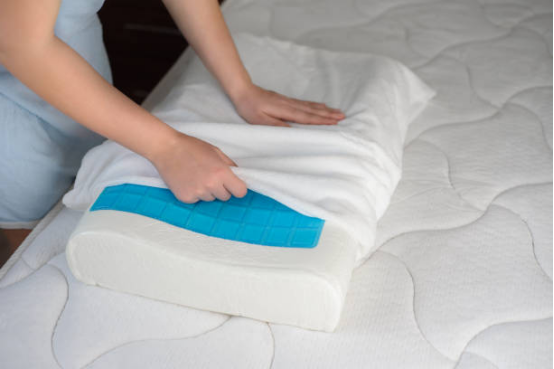
Material Differences: Memory Foam vs Natural Fill
Memory pillow: slow rebound scientific fit
The core of a memory foam pillow is its slow-rebound foam material , derived from NASA aerospace technology. Its characteristic is that it slowly rebounds according to the pressure on the head and neck, forming a support surface that conforms to the curves of the head. Simply put, it acts like a pair of gentle hands, gently supporting the head and preventing excessive stress on a single point. This is why people with cervical discomfort often prefer memory foam pillows.
This type of pillow strikes a balance between support and comfort. Unlike traditional pillows, it will not collapse as soon as you sleep on it. Long-term use is more scientifically proven to protect the cervical spine.
Ordinary pillows: various natural materials
There is a wide range of ordinary pillows, mainly including:
Down pillow : soft, light, and highly breathable, but offers limited support.
Cotton pillows : Classic and durable, but prone to clumping and collapse.
Buckwheat pillow : high hardness and good breathability, but it will make a rustling sound when turning over.
Latex pillow : good natural elasticity, antibacterial and anti-mite, but the price is relatively high.
It can be seen that ordinary pillows are rich in variety and have great differences in touch, while the Memory Foam Pillow is more focused on support and fit functions.
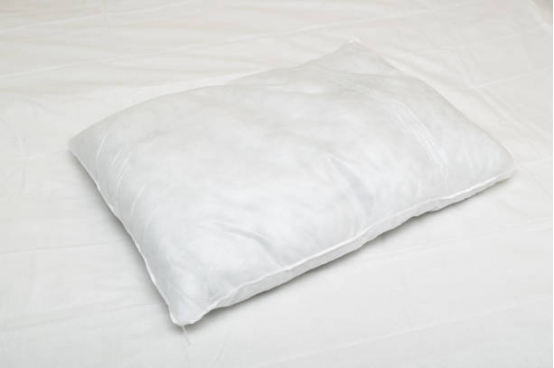
Comfort experience: the different feelings of two pillows
Memory Foam Pillows: Gradually Sinking Into Peace of Mind
The first time you use the Memory Foam Pillow, some people may find it a bit hard and lacking in volume. However, after a few nights of getting used to it, you’ll find that your head and neck feel like they’re being lifted up, the pressure is reduced, and you won’t be easily woken by the pillow when you turn over.
Advantages : Evenly distributes pressure, reduces pressure points, suitable for people with sensitive cervical vertebrae.
Disadvantages : The breathability is average, and it may be a bit stuffy in summer.
Ordinary pillows: free touch and diverse choices
Down pillows offer a soft, swaddled feel, while buckwheat pillows provide firm support. This variety means you have the flexibility to choose according to the season or personal preference.
Advantages : Rich materials, different touches, and free matching of sleeping positions.
Disadvantages : The support may be uneven, which may easily cause cervical pressure due to inappropriate pillow height or softness.

Support and cervical spine protection
The core purpose of long-term pillow use is not only comfort, but also protection of the cervical spine.
Memory Foam Pillow : With its slow rebound properties, it fits the cervical spine better and can effectively reduce stiff neck. It is especially helpful for people with shoulder and neck pain and cervical stiffness.
Ordinary pillows : The support is uneven, down pillows are easy to collapse, and buckwheat pillows are relatively hard. Unless the height and hardness are just right, it may cause uneven force on the cervical spine.
In summary, if you are concerned about long-term cervical health, memory pillows have an advantage in scientific support.
Service life and durability
Memory foam pillows : They usually last for 3–5 years without losing their shape, but humid environments may cause discoloration or aging.
Ordinary pillows : Lifespans vary greatly. Down pillows and cotton pillows tend to collapse after 1-2 years. Buckwheat pillows are durable but require regular drying. Latex pillows have a longer lifespan but are more expensive.
From a durability perspective, the Memory Foam Pillow is more suitable for those who seek long-term shape stability.
Long-term health effects
The most important issue when using a pillow for a long time is the cervical load and comfort .
Memory pillow : fits the curve of the head and neck, provides even support, and reduces cervical strain.
Ordinary pillows : Made of a variety of materials, but not necessarily scientifically fit. If the hardness or height is inappropriate, discomfort can easily accumulate.
Simple summary: If the goal is long-term cervical spine protection , Memory Foam Pillow is more worthy of consideration; if there are special requirements for sleeping habits or breathability, ordinary pillows also have advantages.
Who is more suitable for Memory Foam Pillow?
People who often suffer from cervical pain and tight shoulders and neck
Office workers who sit for long periods of time
Those who want a stable pillow shape and don’t like it to collapse
People who have high requirements for sleep quality
Who might be better suited for a regular pillow?
People who like soft and enveloping feeling (such as down pillows)
People who need a firm feel with good ventilation (such as buckwheat pillows)
The budget is limited and you don’t want to invest in expensive pillows
People who are easily afraid of heat or sweat a lot in summer
Summary: How to choose the right pillow
Focus on cervical spine health and support → Memory Foam Pillow is more scientific
Focus on touch, breathability and material diversity → Ordinary pillows are more flexible
A practical tip: Even if you choose a memory foam pillow, it’s a good idea to keep one or two regular pillows of different materials on hand as backup. In hot weather, when you’re tired, or in a specific sleeping position, switching pillows can provide unexpected comfort.
Sleep isn’t a competition, and there’s no definitive “best” pillow. The key is finding the ideal partner that helps you wake up refreshed and relaxed. Choosing the right pillow is a true investment in healthy sleep.