Pillow choices for night shift workers: How does a memory foam pillow adapt to a reversed day and night cycle?

At three in the morning, most of the city’s lights have gone out.
Yet, in hospital duty rooms, surveillance centers, airport control towers, food delivery transfer warehouses, and in front of those perpetually lit screens, a group of night shift workers are diligently keeping the world running.
Their bodies, designed to sleep during the day, face the rebellion of sunlight, noise, and circadian rhythms. Yet, one detail is often overlooked: the pillow. Indeed, the quality of a night shift worker’s rest often depends on the piece of memory foam beneath their head.
comfort butIn this world disrupted by a reversal of day and night, the memory foam pillow is no longer just a symbol of comfort, but a “rhythm repair tool.”
The body with misaligned day and night: Why are night shift workers more likely to have trouble sleeping?
The human body is almost entirely controlled by an invisible thread called the circadian rhythm. It controls body temperature, hormone secretions, and even mood swings.
During the day, cortisol keeps you awake; at night, melatonin makes you sleepy.
But for night shift workers, this mechanism is like a clock with day and night turned upside down: they sleep during the day, but their bodies think they should be awake.
.Research shows that approximately 62% of night shift workers experience difficulty falling asleep or suffer from fragmented sleep . They often remain awake for more than 40 minutes after lying down, and their sleep depth is significantly insufficient.
During this time, any minor stimulation in the environment—light, noise, temperature, touch—can become a sleep disruptor.
As a result, sensory isolation became the first step for night shift workers to fall asleep. And the meaning of the memory foam pillow also changed from “soft” to “shielding.”
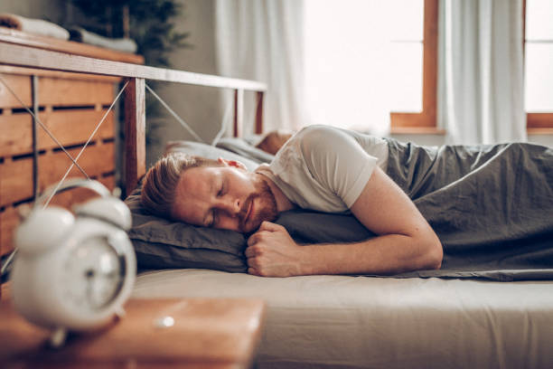
Tactile modulation: When pillows become “mute buttons for the nervous system”
.The most significant features of memory foam are its slow rebound and shape memory .
When the head presses on it, the air in the foam is slowly squeezed out, forming a shape that fits the head; when the pressure is released, it slowly returns to its original shape.
This physical property provides two key sleep benefits:
- Stable touch—The soft structure of traditional pillows will produce a “collapse” feeling when turning over, while the memory foam pillow maintains constant support feedback to prevent the nervous system from sudden stimulation.
- Pressure relief—by distributing the weight of the neck and head, it reduces blood flow obstruction and muscle tension and reduces the number of turning over.
For night shift workers, this means fewer awakenings and more continuous sleep cycles.
Some sleep experiments have even shown that people who use high-density memory foam pillows can increase their deep sleep (N3) by about 15-18%.
a mute button for the nervous system during this process.
Darkness, noise reduction, and temperature control: creating an “artificial night” for the night in the day
Light is the mastermind of circadian rhythms.
Even with the curtains drawn during the day, scattered light still passes through the eyelids, stimulating the brain’s pineal gland and suppressing melatonin secretion, making it difficult for people to “enter the night.”
Therefore, sleep planning for night shift workers must focus on “creating night.”
An ideal “artificial night” environment should include the following three elements:
1. Darken your vision.
Use blackout curtains or a black sleep mask to completely block visual signals. Some brands of memory foam pillows have begun incorporating 3D side wings, creating a curved curve around the neck and ears to further block side light intrusion.
2. Noise Reduction:
External noise is the number one enemy of sleep for night shift workers. Compared to traditional pillows whose hollow structures amplify ambient sound, the closed cells of memory foam naturally absorb sound, providing a minimal noise reduction effect.
3. Temperature Neutralization:
While daytime room temperatures can be high, the ideal sleep temperature is between 18 and 22°C. The latest generation of memory foam pillows often uses gel-infused foam, which absorbs body heat and releases it slowly, keeping you cool to the touch.
The combination of these three factors not only makes the environment quiet but also makes the body “believe that night has really arrived.”
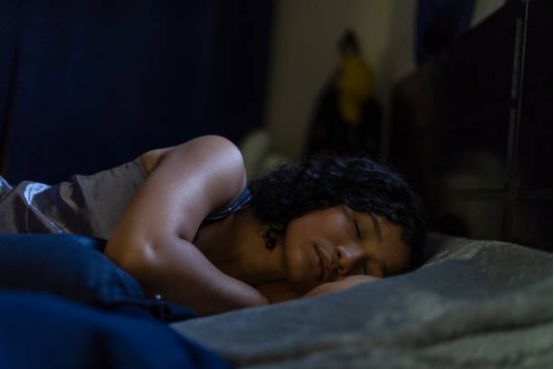
The key to falling asleep quickly: The “melatonin ritual” that starts with your pillow
For night shift workers, the speed at which they fall asleep is crucial for their recovery.
A memory foam pillow serves not only as physical support but also as a trigger for a reflex.
When the body forms memories by repeatedly using the same pillow, in the same environment, and in similar postures, the brain will establish a “sleep channel”—
As soon as the head rests on it, the body automatically releases relaxation signals.
microthermalSome night-shift doctors and flight attendants have reported that they habitually place their pillow in a cool room before returning home , creating a slight temperature difference. That momentary cool sensation acts as a signal to the body, telling it it’s time to shut down.
This “cold start” strategy aligns with the concept of micro thermal contrast stimulation in modern sleep therapy.
.It can be said that a good pillow not only allows you to “lie comfortably,” but also helps you train your brain to fall asleep peacefully even at the wrong time .
Beyond the pillow: The sleep system thinking night shift workers need
.The real solution should not be to stay with the pillow itself but to establish a circadian rhythm support system .
This system includes:
- “nightfall.”Gradual dimming: Reduce light levels one hour before bedtime to simulate “nightfall”;
- :Temperature-control bedding combination : paired with a breathable mattress or bamboo fiber duvet cover to stabilize body temperature;
- :Regular pillow use : Use the same memory foam pillow regularly to help your body recognize your “sleep trigger points”;
- :Sound management : Use white noise or soft music to cover the background sounds of the city.
brightness andBrands are also beginning to innovate in this area. Some high-end pillows are now integrated with smart home systems, automatically sensing room temperature and brightness, adjusting environmental parameters when a user lies down.
These “smart sleep pillows” represent the future trend—the evolution from single-product comfort to a systemic sleep experience.
The future of night shift sleep: from compensation to optimization
.In the past, working the night shift was considered the antithesis of health. Now, with advances in sleep technology, nighttime rest is entering a phase of “intelligent repair.”
Memory foam pillows are no longer just passive accessories for improving sleep; they’ve become active participants in circadian reconfiguration .
The future product direction may revolve around the following three points:
- —built-inPhysiological signal monitoring pillow – built-in sensors monitor heart rate and temperature to determine the best sleeping point;
- —guidesLight regulation system – guides melatonin rhythm through adjustable pillow edge light;
- —automaticallyPersonalized foam density – automatically matches the support curve based on user weight and sleeping position.
.This is no longer simply about “sleeping comfortably,” but about entering a sleep philosophy that allows the body to re-understand time .
Let the day be an extension of the night
city butFor night shift workers, the real luxury isn’t vacation time but a full night’s sleep.
That peace of mind doesn’t come from an expensive bed or a quiet city, but from a rest tool that understands your body’s rhythms.
The memory foam pillow is important not only because of its softness and fit, but also because it knows how to “adapt to the mistakes of time.”
When the world is awake, it helps you turn off the lights; when the city is bustling, it allows your nerves to sleep.
In a world where night and day intersect, perhaps, true sleep is never at night—
It is hidden in the quiet bubble under your head.