Tactile Healing and Psychological Recovery: The Application of Memory Foam Pillow in Rehabilitation of Mood Disorders

On nights plagued by low mood or anxiety, a memory foam pillow not only supports the cervical spine but also quietly provides psychological comfort. Modern psychological rehabilitation research shows that tactile stimulation can significantly influence the relaxation of the nervous system. The pressure-relieving properties of the Memory Foam Pillow perfectly align with this principle, providing a low-intervention, naturally soothing aid for recovering from mood disorders.
The scientific basis of touch therapy: pressure distribution and neurofeedback
Tactile therapy relies on the interaction between skin receptors and the central nervous system. Studies have shown that gentle, even pressure can lower cortisol levels and reduce anxiety and tension. The Memory Foam Pillow’s slow-rebound material automatically adjusts to head and neck pressure, providing all-around support. This “wrapping” sensation mimics the effects of deep pressure stimulation (DPS), helping to activate the parasympathetic nervous system and enhance relaxation.
Compared to traditional pillows, the Memory Foam Pillow’s distributed pressure regulation reduces localized pressure points, preventing neck and shoulder stiffness and thus reducing potential pain. Psychological rehabilitation experts point out that when the body no longer reacts to minor discomforts with tension, the brain is more likely to relax, which promotes natural emotional recovery.
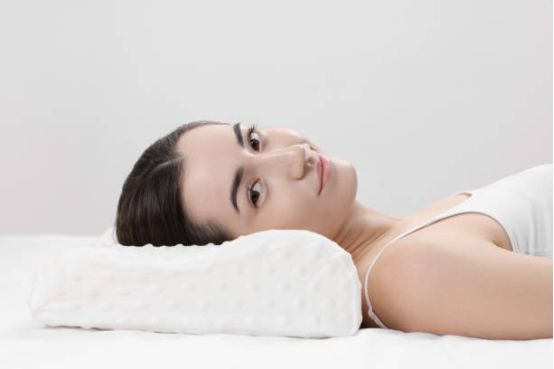
Material selection and tactile comfort
The material of a memory foam pillow not only determines physical support but also impacts the psychological experience. High-density memory foam provides a stable yet soft feel, maintaining a delicate fit during sleep. Some high-end products even incorporate breathable holes and temperature-regulating fibers, making the tactile experience even more like a natural hug.
Psychological rehabilitation practice has shown that tactile stability is closely related to a sense of security. For those with mood disorders, especially those with significant insomnia or anxiety symptoms, the continuous soft support provided by the Memory Foam Pillow can reduce tossing and turning during the night and maintain deep sleep. Long-term user feedback indicates that this improved sleep quality positively promotes emotional recovery.
Practical Applications in Rehabilitation of Mood Disorders
The memory foam pillow has been introduced as a non-drug intervention tool in cognitive behavioral therapy (CBT) and assisted sleep therapy. Specific operational strategies include:
- Deep Support Sleep: Use the Memory Foam Pillow to adjust the curve of your head and neck, reduce muscle tension, and create a body-relaxing foundation for sleep.
- Tactile balance exercises, in a bedroom setting, combined with soft lighting and gentle music, allow patients to perform breathing exercises or meditation with the gentle pressure of a pillow.
- Combining emotional diaries with sleep records: By observing the duration of sleep, number of tossing and turning, and self-emotional ratings before and after using the memory foam pillow, objective data support is provided for psychotherapy.
Real-life cases show that after using the Memory Foam Pillow for two weeks, some anxiety sufferers experienced a 15%–20% increase in deep sleep and a significant decrease in morning anxiety. This synergistic effect of touch and psychology provides a reliable supplement to non-drug rehabilitation programs.
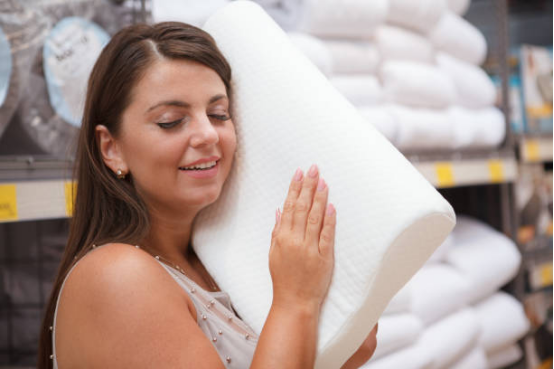
Design trends and future prospects
As mental health awareness grows, the design of the memory foam pillow is evolving towards personalized and multi-sensory experiences. Trends include:
- Warm-sensitive memory foam: fine-tunes the firmness according to body temperature, making the tactile sense more adaptable.
- Multi-zone pressure-differentiated structure: creates different support forces for the neck, shoulders, and head to optimize the deep pressure stimulation effect.
- Smart monitoring pillow : Combined with sleep monitoring equipment, it records neck pressure and number of tossing and turning, providing data reference for psychological treatment.
In the future, the memory foam pillow will not only be a sleeping product but may also become part of a psychological rehabilitation tool chain, assisting in the treatment of mood disorders and stress-related problems and providing more scientific, low-intervention treatment solutions.
The subtle connection between touch and psychology
The Memory Foam Pillow lies not only in its physical comfort but also in its potential for tactile healing and psychological recovery. Through its pressure-relieving material and deep pressure simulation, it helps the body relax, reduces nervous tension, and provides gentle support for recovery from mood disorders. In rehabilitation practice, this subtle and stable tactile experience can often become a key component of non-pharmacological interventions.
Maybe the next time you fall asleep, you will find that the tactile comfort brought by a pillow is more powerful than you thought.