
Late in the night, the bedroom light is soft and warm, and a memory foam pillow rests quietly at the head of your bed. Have you ever considered that the combination of light and pillow can subtly influence sleep quality? Modern sleep research shows that light exposure not only affects melatonin secretion but can also directly disrupt or optimize our sleep rhythms. With the right memory foam pillow, even small adjustments to your bedroom environment can significantly improve your deep sleep experience.
Light and melatonin: turning the human body clock on and off
The body’s biological clock is driven by melatonin, secreted by the pineal gland. Melatonin secretion is closely linked to light intensity. Intense light stimulation, particularly in the blue light band, suppresses melatonin production, tricking the brain into thinking it’s still daytime and delaying sleep onset. Conversely, warm light and a low-brightness environment stimulate natural melatonin secretion, helping the body enter a restful state.
Research shows that light regulation not only affects the time it takes to fall asleep but also the proportion of deep sleep. Combined with the high-density, pressure-relieving design of the Memory Foam Pillow, this allows for both physical relaxation and cervical support, maximizing the relaxing effects of melatonin secretion. In other words, the bedroom lighting environment and pillow choice work synergistically: light helps the brain enter sleep mode, while the memory foam pillow provides physical comfort.
Lighting layout strategy: from lighting design to sleep rhythm
Bedroom lighting layout is crucial when creating an ideal sleep environment. Layered lighting is generally recommended: keep the main light low, supplemented by dimmable bedside lights or indirect wall lighting to create a gentle visual transition. A memory foam pillow can provide support for the neck and shoulders, reducing frequent tossing and turning. Combined with soft lighting, it promotes a natural, steady sleep rhythm.
The color temperature of the light is also crucial. Research shows that warm light between 2700K and 3000K is best for reading or relaxing at night, while blue light or cool white light should be avoided at night. For those who frequently use electronic devices in bed, using a memory foam pillow for comfortable posture adjustment can reduce shoulder and neck strain while also minimizing the impact of blue light on melatonin production.

The physical advantages of the memory foam pillow and its interaction with the light environment
The Memory Foam Pillow is more than just a pillow. Its slow rebound properties automatically adjust its shape based on the pressure distribution of the head and neck, reducing localized pressure. Combined with optimal lighting conditions, this physical support complements psychological relaxation. When the human body naturally relaxes in low-light environments, the Memory Foam Pillow’s pressure-relieving support can reduce tossing and turning, increasing the proportion of deep sleep.
Furthermore, some high-end memory foam pillows on the market have added breathable holes and temperature-regulating materials, meaning they can maintain consistent comfort even in lower bedroom temperatures or dimmed lighting. This multi-dimensional synergy makes the combination of light environment and pillow a true sleep optimization solution, rather than simply a physical or visual improvement.
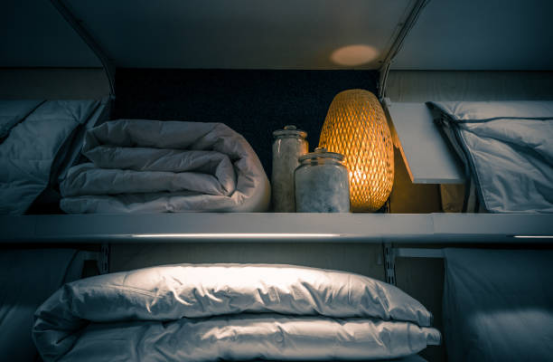
Personalized light pillow combination: a strategy to improve sleep experience
A personalized “light pillow combination” can be created based on the user’s sleep and rest habits. For example, reading with a warm desk lamp 30 minutes before bed while adjusting the neck angle with the Memory Foam Pillow can help the body enter a state of relaxation faster thanks to the effects of melatonin. For night owls or those who need to wake up early, a dimmable smart lighting system combined with a high-density memory foam pillow can achieve a gentle transition from sleep to wakefulness.
During this process, user feedback revealed that the light and pillow combination not only improved sleep onset time but also significantly reduced morning neck and shoulder stiffness. Long-tail keywords like “ergonomic sleep pillow” or “relaxing bedroom lighting” can naturally be incorporated into discussions, emphasizing the importance of overall bedroom sleep design, rather than focusing solely on a single product.
The synergy of light and pillow is a double bonus of science and comfort
Bedroom lighting and the memory foam pillow go far beyond simple visual aesthetics or physical comfort. A scientifically designed lighting environment creates the conditions for melatonin secretion, while the Memory Foam Pillow provides stable support. The two complement each other to form a complete sleep optimization system. When designing your bedroom, consider both the lighting layout and the pillow selection to make each night a double enjoyment for both the body and the mind.