Sleep posture reshaping begins with the memory foam pillow.

In the bedroom at night, the light is soft and the air is slightly cool. Your head gently rests on the pillow, your neck slightly strained, as if reminding you: sleep is more than just closing your eyes. Prolonged poor sleeping posture can silently alter the curve of the spine, leading to morning aches, stiff shoulders and neck, and even chronic fatigue. So, is there a way to subtly “reshape” your posture during sleep, allowing the spine to return to its natural curve? The answer may lie in the subtle design of the memory foam pillow.
Pillow height and spinal curvature: The power of scientific adjustment
The spine is a flexible support, naturally exhibiting a slight “S” shape. If a pillow is too high or too low, the head and neck will not maintain a natural alignment with the shoulders, causing continuous tension in the neck and shoulder muscles. Over time, this may even lead to cervical spondylosis or shoulder pain. The Memory Foam Pillow, with its slow rebound and temperature-sensitive properties, provides appropriate support under varying pressure. Scientific research indicates that fine-tuning the pillow height can effectively improve cervical spine alignment in different sleeping positions, such as back sleeping and side sleeping.
For example, a slightly higher pillow can fill the gap between the head and shoulder for side sleepers, preventing the neck from being unsupported, while back sleepers need a slightly lower pillow to provide gentle support for the cervical spine without excessive forward flexion. The Memory Foam Pillow’s combination of softness and support makes this fine-tuning possible, as it slowly molds to the weight of the head, providing customized “sleep support” for the spine.
Fine-tuning mechanisms during long-term use: From ease of use to health
The Memory Foam Pillow is more than just a comfort tool; it “learns” your sleeping position over time. Every time you turn over at night, every gentle press creates tiny deformations within the foam, gradually conforming the pillow surface to the contours of your head and neck. This “natural feel” not only enhances sleep comfort but also subtly optimizes spinal support.
Clinical observations show that people who use the Memory Foam Pillow, which conforms to their body shape and sleeping posture, experience a significant decrease in the incidence of morning neck and shoulder pain. This is because a mutually beneficial fit is formed between the pillow and the body—the pillow shapes the body, allowing for relaxation; the weight distribution is balanced, making the pillow more stable. This fine-tuning mechanism makes “reshaping your sleeping posture” not a short-term attempt but a long-term habit formation.

Pillowcase material and temperature control: Improving the sleep environment
Besides the pillow itself, the pillowcase material also significantly impacts sleeping posture. Natural fibers such as cotton, bamboo fiber, or Tencel not only offer excellent breathability but also help dissipate sweat and body heat, preventing neck stiffness caused by localized overheating. The Memory Foam Pillow, paired with a breathable pillowcase, helps maintain a comfortable temperature in the head and neck area, reducing muscle tension and further supporting the spine in maintaining its natural curve throughout the night.
Another benefit of temperature management is preventing frequent tossing and turning due to overheating. Excessive tossing and turning not only disrupts deep sleep but can also break spinal support, diminishing the remodeling effect. Keeping the bedroom well-ventilated, choosing breathable pillowcases, and using them in conjunction with the Memory Foam Pillow can make each night’s sleep a process of spinal recovery and adjustment.
Operational strategy: Making sleeping posture reshaping more efficient
To maximize the effectiveness of the memory foam pillow, in addition to choosing the appropriate height, the following points should also be noted:
- Initial adjustment period: A new pillow needs time to develop subtle support on the surface that contacts your head and neck. In the first few weeks, try turning over or gently pressing the pillow surface to help the foam “shape” faster and achieve the most suitable height of support.
- Maintaining a consistent sleeping position: While occasional turning over is unavoidable, maintaining a consistent sleeping position allows the pillow to provide stable support for the spine in key areas, thereby accelerating the postural reshaping process.
- Daytime stretching and posture reminders: Pillows can only provide support at night. Keeping your shoulders and neck stretched and paying attention to your sitting posture during the day can make adjusting your sleeping position at night much more effective.
- Regular maintenance: Avoid prolonged exposure to moisture, heavy pressure, or direct sunlight to maintain the elasticity and support of the memory foam pillow, ensuring that the spinal remodeling process is not interrupted.
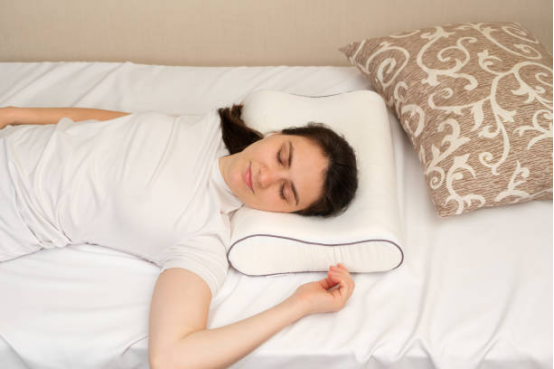
Trend Insight: Personalized Sleeping Posture Adjustment
With the growing popularity of healthy sleep concepts, Memory Foam Pillow is moving towards personalized customization. Through different density zones, adjustable pillow height, and even the integration of smart sleep monitoring technology, users can precisely adjust the pillow’s height and support strength to achieve optimal spinal alignment. Simultaneously, the brand is emphasizing pillowcase materials, breathable hole design, and temperature-guided regulation—all innovations pointing to one goal: making every night’s sleep an accelerator for spinal health reshaping.
If you would like to learn more about how to optimize spinal health through scientific sleep, please visit our website to view other articles about memory foam pillows and the sleep environment for more comprehensive references and guidelines.
Summarize
Sleep posture not only affects comfort but also determines long-term spinal health. The Memory Foam Pillow, with its slow rebound, temperature sensitivity, and micro-deformation properties, provides precise support for the head and neck, allowing for scientific adjustment of sleep posture throughout the night. Combined with a breathable pillowcase and proper usage habits, it can subtly improve neck and shoulder tension, maintain the natural spinal curve, and achieve a true “sleep posture reshaping” effect.
In the future, with continuous iterations in materials and design, the combination of the memory foam pillow and personalized sleep regulation will offer more possibilities for spinal health and high-quality sleep. Perhaps, when you wake up the next morning, you’ll find your shoulders and neck more relaxed and your spine more supple—and it all begins with just that piece of foam on your pillow.