Depression and sleep: Can a memory foam pillow improve mood?

The human brain is a sophisticated yet fragile emotional engine. Insomnia, excessive stress, and an unbalanced lifestyle—these seemingly “ordinary” problems are gradually becoming a hidden epidemic in modern society. When insomnia becomes a precursor to depression, people are beginning to re-examine the fact that sleep quality is the underlying logic of emotional health.
So, a seemingly simple question arises: Can a memory foam pillow improve your mood? If the structure and material of a pillow can help us fall asleep faster and relax more deeply, then can it also, to some extent, restore emotional stability?
Before we delve into the discussion, it’s important to understand that emotional problems don’t always come from within; they sometimes stem from physiological imbalances.
The bidirectional relationship between sleep and mood
According to research by the American Psychological Association (APA), there’s a high correlation between sleep disorders and depression—approximately 75% of people with depression experience varying degrees of insomnia or non-restorative sleep. Poor sleep not only makes people tired but also impairs the brain’s ability to regulate dopamine and serotonin, the chemical basis for mood stability.
When the body is in a state of sleep deprivation for a long time, the function of the brain’s prefrontal cortex (responsible for rational thinking and self-control) declines, while the amygdala (emotional center) becomes overactive—this means that you may collapse because of a trivial matter or fall into inexplicable anxiety.
Against this backdrop, the mental health industry is gradually redefining sleep products—shifting from functional products to tools for emotional well-being. The memory foam pillow is a key player in this “sleep revolution.”
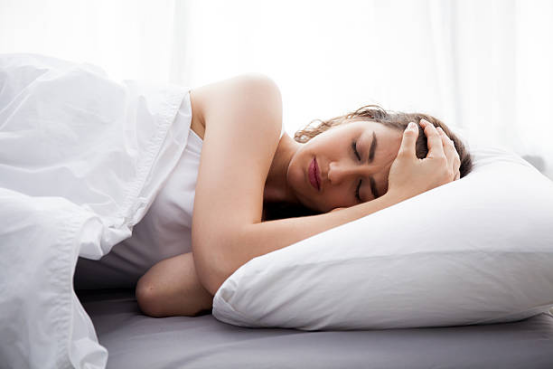
Why is a memory foam pillow considered a mood-repair aid?
Many people think that the value of a memory foam pillow lies only in its softness or fit. However, from a neurophysiological perspective, its significance goes far beyond that.
1. Reduce muscle tension and sympathetic nervous system activity.
When we fall asleep, if our neck muscles don’t fully relax, the sympathetic nervous system (which controls the “fight or flight” response) remains active, leading to shallow sleep and frequent dreams. The memory foam pillow’s unique viscoelasticity evenly distributes pressure, supports the curves of the head and neck, and allows muscles to relax naturally—the physical starting point for psychological relaxation.
2. Improve blood and oxygen flow.
Depression often presents with poor circulation and hypoxia. A high-quality memory foam pillow can improve blood flow to the neck by relieving pressure, ensuring a more stable oxygen supply to the brain. While this may sound insignificant, over the long term, this small improvement can reduce nighttime awakenings and morning fatigue.
3. The psychological effects of environment and touch
. The human brain’s perception of “security” is subtle. Softness, support, and stability—these physical properties can be psychologically misinterpreted as “being enveloped” and “accepted.” This is why many people experience “easier falling asleep” and “faster relaxation” when using a memory foam pillow.
The science behind the material: Not every memory foam pillow can be “healing.”
Let’s get back to reality: not all memory foam pillows offer psychological relief.
Low-end products commonly found on the market often use inferior polyurethane. This material has unstable density and rebound time, making it prone to collapse and deformation after short-term use. More importantly, they may emit volatile organic compounds (VOCs), which can irritate the respiratory system. Olfactory stimulation can directly interfere with melatonin secretion, making it difficult for the brain to calm down.
From a scientific point of view, a memory foam pillow that can truly improve sleep and mood should at least meet the following conditions:
- High-density open-pore structure (≥50 kg/m³): Improves breathability and support;
- Slow rebound feature (3-5 seconds): helps the body naturally distribute pressure and simulates deep relaxation;
- :Low VOC environmental certification (such as CertiPUR-US) : avoid chemical irritation;
- Temperature response: Automatically adjusts the hardness according to body temperature to reduce switching between sleeping positions.
These parameters determine whether a pillow can truly be a “mood-friendly sleep device” rather than just a piece of soft foam.
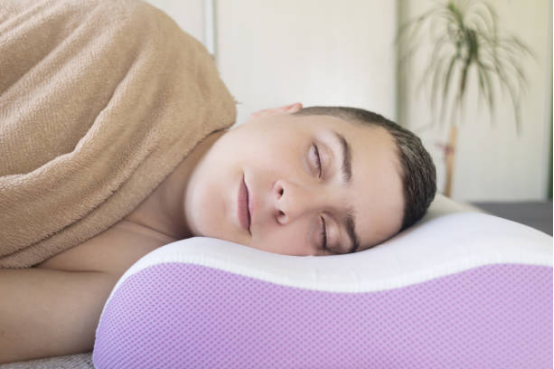
User experience: Real feedback is more convincing than advertising
According to a Sleep Foundation survey, approximately 68% of users reported experiencing shorter sleep onset and less tossing and turning during the night after switching to a high-quality memory foam pillow. Of these, approximately 32% reported experiencing a more balanced mood upon waking, a finding that, while difficult to quantify, has been frequently verified in psychological research.
A study from London, UK, also pointed out that long-term use of memory foam pillows can reduce morning cortisol levels (the “stress hormone”), thereby alleviating mild anxiety and depression tendencies.
However, it is important to emphasize that pillows are not medicine. They cannot directly “cure” depression, but they can indirectly improve sleep structure and thus optimize the physiological basis of emotions.
Market Trends: From Sleep Products to “Emotional Technology”
As wellness brands start talking about “mood wellness,” the role of the memory foam pillow is being redefined.
Some high-end brands have already integrated AI sleep monitoring and temperature control systems into memory foam materials. For example, using a temperature-sensing layer and pressure sensors to track the user’s sleep rhythm and dynamically adjust firmness and temperature. Behind this “smart pillow” concept lies a larger industry trend: to transform sleep products into platforms for psychological healing.
On social media, discussions under tags such as #sleeptherapy and #mindfulsleep continue to grow, and users are more willing to invest in products that can enhance their “emotional experience” rather than just pursuing support or appearance.
This shows that the future memory foam pillow market will not only be a competition of physical comfort but also a design competition of psychological comfort.
A good pillow can make your heart lighter
Depression never develops overnight; emotional collapse is often the result of physical exhaustion. A high-quality memory foam pillow may not solve all problems, but it can provide a way to “reboot your brain.”
It’s soft yet supportive, just like the process of emotional recovery—it requires acceptance but also strength.
Perhaps the restoration of emotions is not some kind of pharmacological miracle, but it starts from that night: your cervical spine is gently supported, and your brain finally believes that you are safe and can relax.
After all, a good sleep is not only a rest for the body but also a repair for the mind.