Material Chemistry: Lifespan Test and Deformation Curve of Memory Foam Pillow

memory foam pillowAs the lights fade at night and we gently rest our heads on our pillows—our sleep companions—few consider the material science and lifespan challenges behind them. A Memory Foam Pillow is more than just softness and comfort; its long-term performance, compression resistance, and aging characteristics are key to ensuring a lasting experience.
Analysis of material basis and aging mechanism
The core of the Memory Foam Pillow is high-density memory foam, a material whose molecular chains are flexible, allowing it to adapt to pressure and body temperature to create support. However, foam materials undergo physical and chemical aging over time and with changing usage conditions. Physical aging manifests as a loss of resilience and permanent shape collapse, while chemical aging includes polyurethane chain breakage, collapse of the microcellular structure, and changes in odor.
Research data shows that high temperature, high humidity, and prolonged localized pressure are the primary catalysts for memory foam aging. Accelerated laboratory aging tests can simulate years of pillow use in a short period of time. Curve data shows that the Memory Foam Pillow exhibits high elasticity and perfect rebound in the early stages of use. However, after prolonged use, the pressure-strain curve gradually flattens, and support decreases.
development butUnderstanding these mechanisms is not only crucial for product development, but also helps users properly manage the lifespan of their pillows: maintaining a dry environment and avoiding long-term single-point pressure can slow down the rate of deformation.
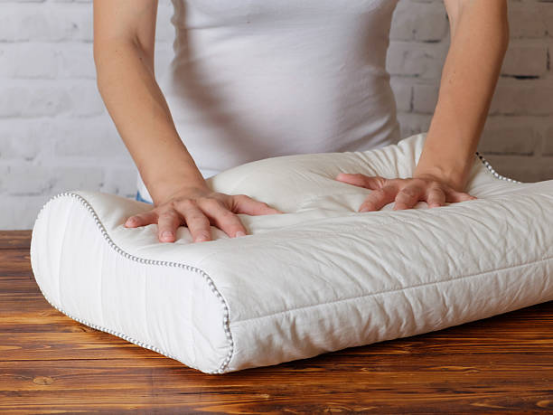
Life Assessment Methods and Deformation Curve Analysis
memory foam pillows,To quantify the durability of Memory Foam Pillow, the industry typically uses standardized testing methods, including:
- The cyclic compression test
simulates the pressure of a user turning over at night. The pillow is placed under a specific weight and mechanically compressed tens of thousands of times, and the height recovery rate and compression residual rate are recorded. - The temperature and humidity aging test
places the pillow in an environmental chamber with controlled temperature and humidity, and tests the changes in the material’s microstructure through heat and humidity cycles. - Long-term static load testing
places a static weight on the pillow for several weeks to observe permanent deformation and loss of support.
memory foam pillowsExperimental results show that high-quality Memory Foam Pillows can retain 85–90% of their original support after 3–5 years of daily use, while low-density products may only retain 60–70%. The deformation curve exhibits a typical “rapid initial collapse followed by steady decay,” with slight collapse most noticeable in the first few months, followed by a slow, stable phase.
engineers butThis curve is not only a reference for R&D engineers, but also provides practical judgment for users: if the pillow is used for more than three years and obviously collapses or rebounds slowly, it means that the material is approaching the upper limit of its life.
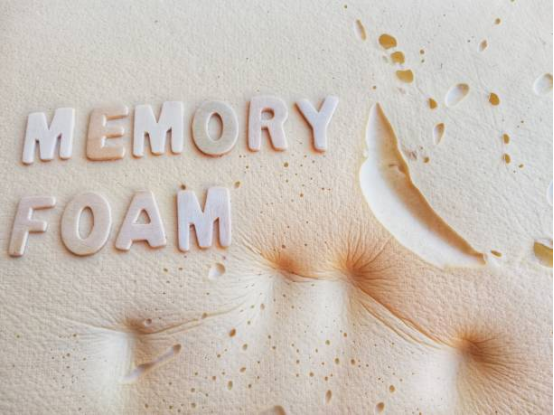
Product design optimization and life extension strategy
the MemoryBased on life test data, the design of Memory Foam Pillow gradually incorporates multiple strategies:
- :Partitioned structure design : Different density foams are used in the head and neck areas to improve local support and reduce early deformation.
- :Breathable holes and temperature control materials : accelerate air circulation and reduce the impact of high temperature and humidity on foam chain breakage.
- Removable and washable cover and protective layer: reduce the penetration of sweat and oil and delay the chemical aging process.
Additionally, user experience has shown that regularly patting and turning the pillow, as well as avoiding placing heavy objects on the same area for long periods of time, can effectively slow the memory foam pillow’s morphological degradation. As materials scientists point out, the lifespan of foam depends not only on its chemical formula but also on usage habits.
Global Trends and Industry Insights
The Memory Foam Pillow’s material aging research not only serves a single product but also drives standardization and transparency across the entire sleep industry. In recent years, several international brands have introduced lifespan curve labels or rebound rate indicators, allowing consumers to understand the expected duration of support before purchasing.
At the same time, emerging technologies such as nano-modified foam and plant-based polyurethane that replace traditional chemical foam have also demonstrated more stable pressure resistance and anti-aging properties in tests, providing a longer-lasting user experience for the Memory Foam Pillow in the future.
This data is equally important to users across multiple cultures: European and American consumers prioritize long-term support and deep sleep, while those in Asia prioritize softness and a slow-rebound feel. By quantifying deformation curves and lifespan indicators, brands can more precisely meet the expectations of different regions.
Understanding deformation, extending comfort
The value of the memory foam pillow lies not only in its softness on the first night but also in its stable support over years of use. Through scientific lifespan testing and deformation curve analysis, users can more rationally choose and maintain their pillow, ensuring a comfortable and long-lasting experience.
Next time you lie down and feel the fit of your memory foam pillow, remember that every bounce of this pillow is the result of the combined efforts of material science and durable design.