Down Pillow vs. Memory Foam Pillow: Material and Performance Comparison

In the world of pillows, down and memory foam pillows are the two most common choices. They differ significantly in material, support, breathability, and feel, and understanding these differences can help us gain a scientific understanding of the sleep experience.
Material and filling method
Down pillows are primarily composed of natural down and feathers. Down, small, fluffy clusters of fibers, come from the underside of birds like geese and ducks. They are light and soft; feathers, often with quills, provide more support and shape retention. By adjusting the down-to-feather ratio, pillows of varying firmness and loft can be created, for example, 50/50, 75/25, or 95/50.
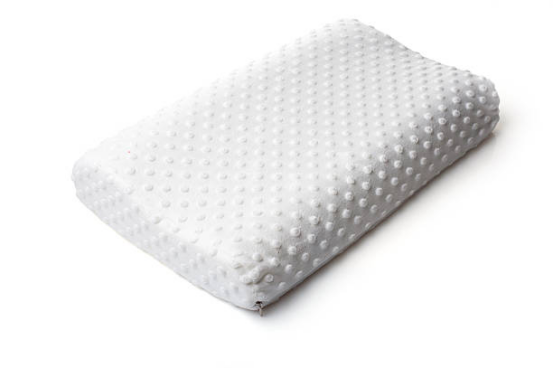
The Memory Foam Pillow is made from synthetic memory foam, a high-density polyurethane foam. Memory foam has a “slow rebound” property that changes shape based on the weight and temperature of the head and neck, evenly distributing pressure. Unlike down pillows, it’s a solid material, not loose filling.
Support and shape retention
The support of a down pillow depends primarily on the proportion of feathers and the amount of filling inside. The down clusters themselves are very soft, but they compress under pressure and slowly rebound, so the pillow tends to change shape with use and requires occasional flapping or adjustment.
The Memory Foam Pillow provides more uniform and stable support. Memory foam molds to the body’s pressure and heat, but rebounds slowly, maintaining its support for the neck and head without collapsing. This property allows the Memory Foam Pillow to maintain stable support for extended periods throughout the night.
Breathability and temperature regulation
The natural fiber structure of down pillows allows for excellent breathability. Air can circulate between the down clusters, helping to regulate body temperature and preventing heat buildup in the pillow, keeping it dry.
In contrast, traditional memory foam pillows have a higher density, which restricts air circulation and makes them prone to heat accumulation at night. To improve breathability, some memory foam pillows are designed with additional ventilation holes or use gel memory foam to reduce heat accumulation.
Touch and user experience
Down pillows offer a soft, light, and highly malleable feel, perfect for those who enjoy the sensation of “sinking” into the pillow. The pillow itself is springy, but the feel varies depending on the proportion of down clusters and feathers.
The Memory Foam Pillow has a unique, slow-rebound feel that creates customized support around the head and neck. It’s generally firmer and has a denser feel, making it ideal for those seeking even support and shape retention.
Scientific Summary
From a material perspective, down pillows rely on natural fibers for lightness, softness, and breathability, but their support and shape retention depend on the fill ratio. Memory Foam pillows, on the other hand, are made from synthetic, high-density foam, offering even support and slow rebound, but with relatively limited breathability. These two differ significantly in physical properties, user experience, and temperature regulation, providing crucial insights into pillow function.